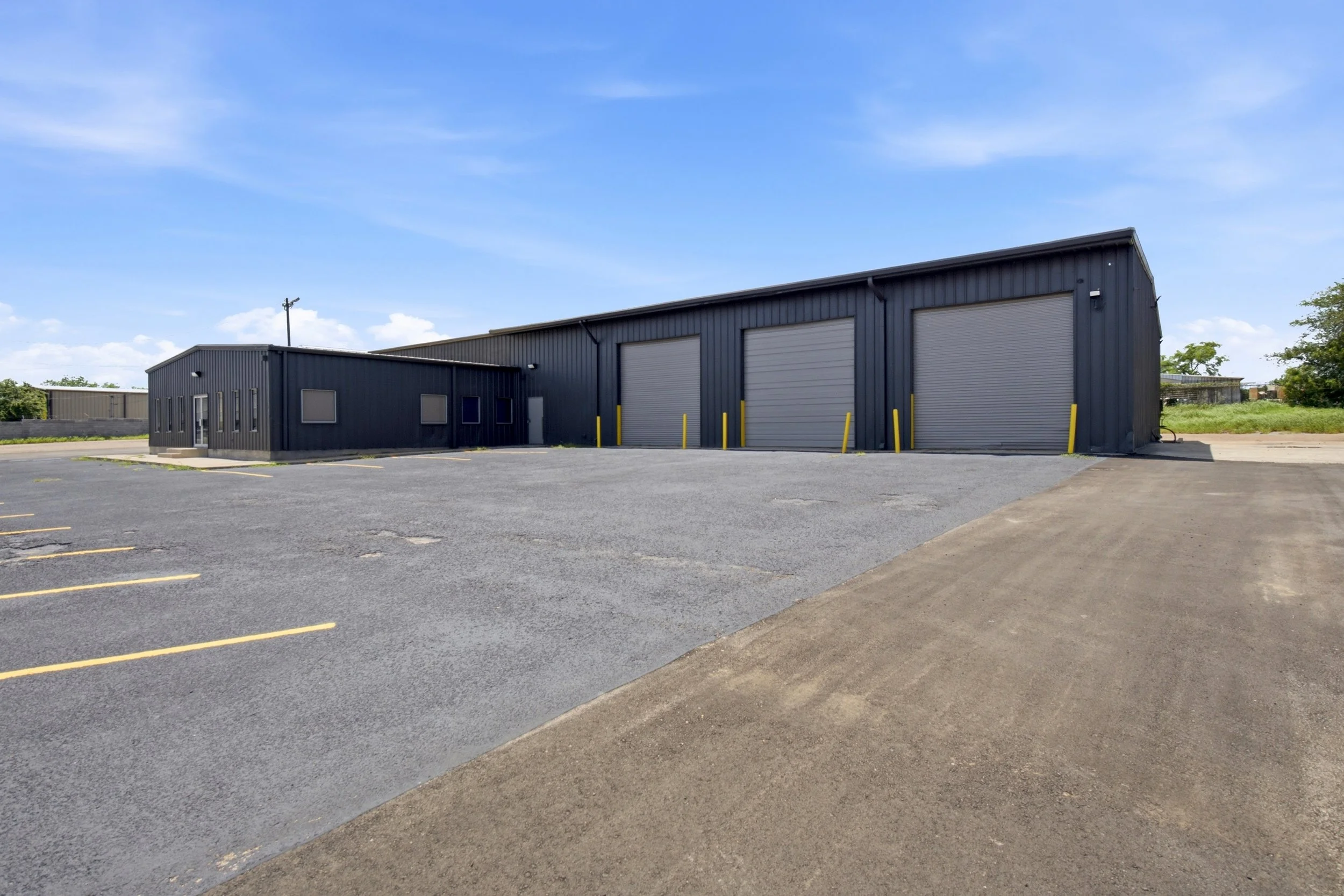
IOS SITE DEVELOPMENT

From bare ground to
leasable yard.

The improvements that decide what an industrial outdoor storage site is worth — and how fast it leases.

THE WORK

The yard is the asset. Not the land underneath it.

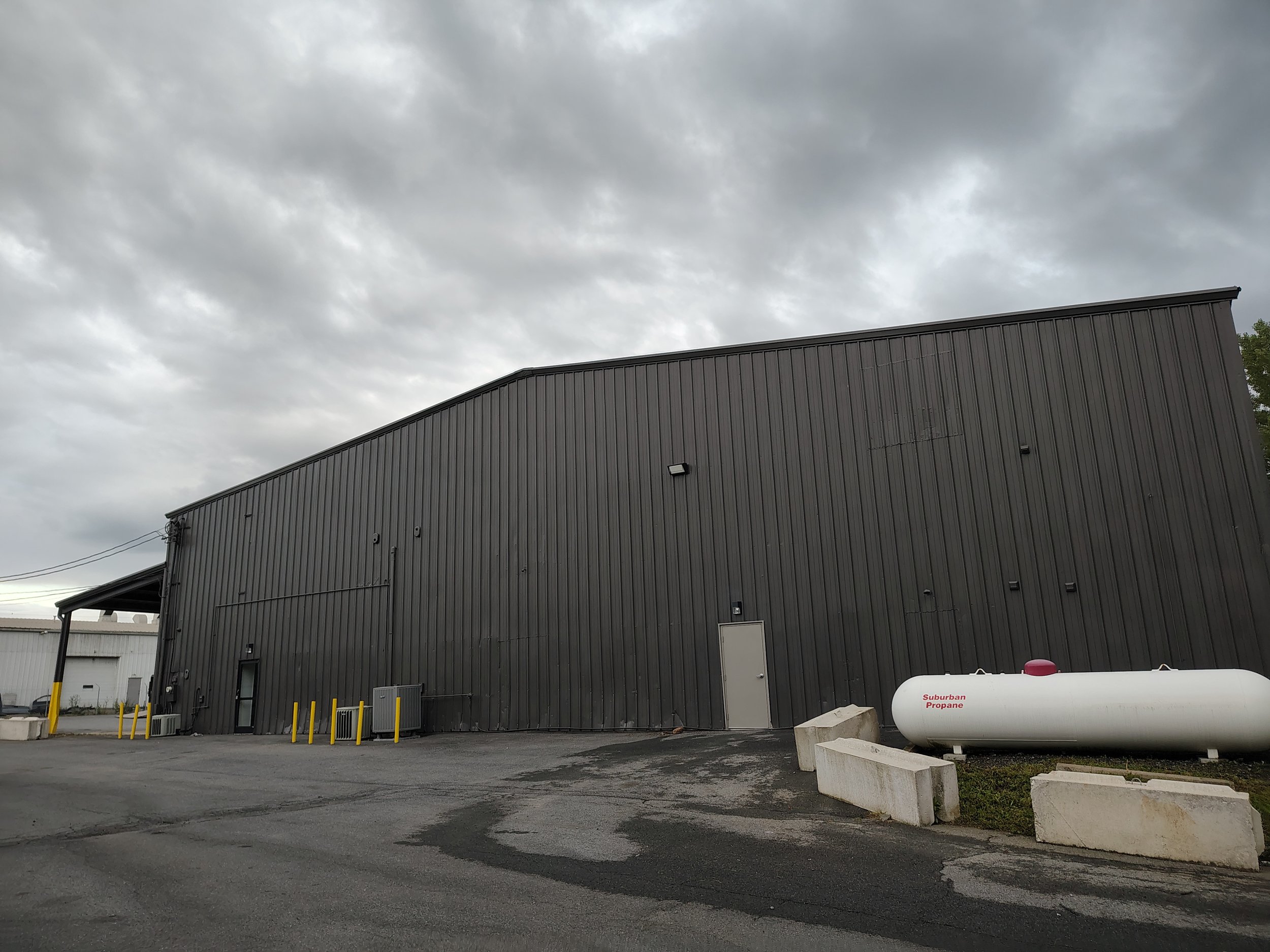
An IOS site is not land — it's inventory. What separates a premium yard from a discounted one is almost entirely physical: whether it drains, whether it's surfaced for the loads it actually carries, whether it's secured, and whether a driver can move a trailer through it at night without hitting something.

Zoning has made new supply scarce in most metros, which means the return on improving what an owner already holds is stronger than it has been in years. We build the improvements that move a site from bare ground to something a tenant will pay a premium to occupy.

WHAT WE COVER

Site work, start to finish.

Site grading, earthwork, and drainage correction
Surface build-up — asphalt, concrete, aggregate, recycled millings
Trailer stall layout and striping
Perimeter fencing, gates, and access control
Site lighting and pole installation
Guard shacks, scale foundations, and small structures
Bollards, curbing, and traffic control
Utility trenching and site electrical
OWNER ECONOMICS

A yard that drains is a yard that stays leased.

Standing water is the most expensive problem on an IOS site — and the most commonly deferred. It breaks down surfacing from underneath, makes stalls unusable for weeks after rain, and turns into a tenant complaint that shows up at renewal instead of on a punch list.

Correcting drainage before resurfacing costs a fraction of resurfacing twice. We assess the base before we price the surface, and we'll tell you if drainage is the real problem — even when that means a smaller number on the proposal than the one you were expecting.

Surfacing specified to a default thickness fails under real axle loads faster than it should. We specify to what actually crosses the yard, not a generic standard, because a resurfaced lot that fails again in two years was never the cheaper option.
HOW WE DELIVER IT

Built around a yard that's still operating.

Most IOS site work happens on ground that's already leased. The sequence matters as much as the scope.

01
Work runs in sections so the yard stays partly operational throughout — never the whole site closed at once.
02
Drainage assessed before surfacing is priced. If the base is the real problem, you hear that before you sign, not after the first hard rain.
03
Surfacing specified to real axle loads, not a default thickness pulled from a generic spec sheet.
04
Security, lighting, and fencing sequenced so the site is never left open and unlit overnight during the work.

Tell us what can't stop, and we'll tell you how we'd work around it.

We'll walk one of your sites and send a written condition report — photographed, prioritised, and costed by urgency. No obligation, no sales visit attached.