Why Your Texas Industrial Site May Wait 18 Months for Power
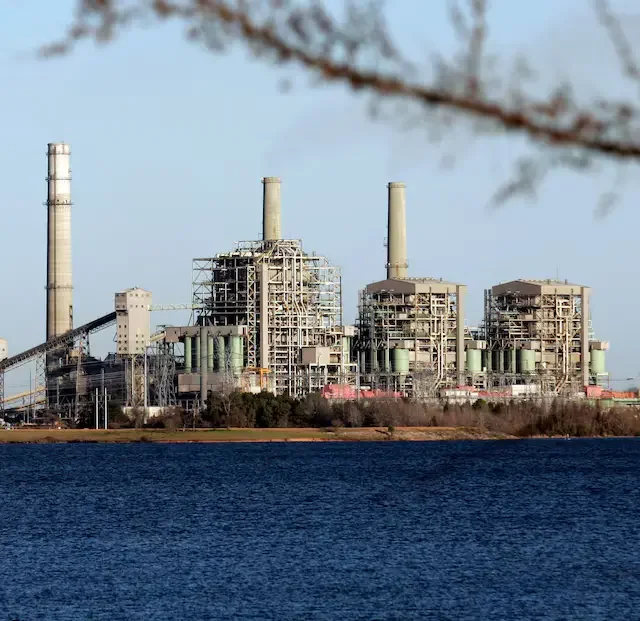
Texas industrial and IOS sites approved to break ground in 2026 may not receive full electrical service until 2028. ERCOT's grid is under unprecedented strain — data center demand has overwhelmed substation capacity across the Triangle, and the energization delays that were a hyperscale problem are now hitting standard warehouse and IOS connections. For industrial owners and IOS developers, this is no longer a background risk. It's a site selection variable that needs to be verified before acquisition, not discovered six months into a project that was supposed to open in twelve. S-Bar Construction scopes power infrastructure as part of every Texas site assessment. Here's what's happening, what it means for your timeline, and what to do about it before you're under contract.
What Texas Municipalities Are Now Requiring for Industrial and IOS Sites
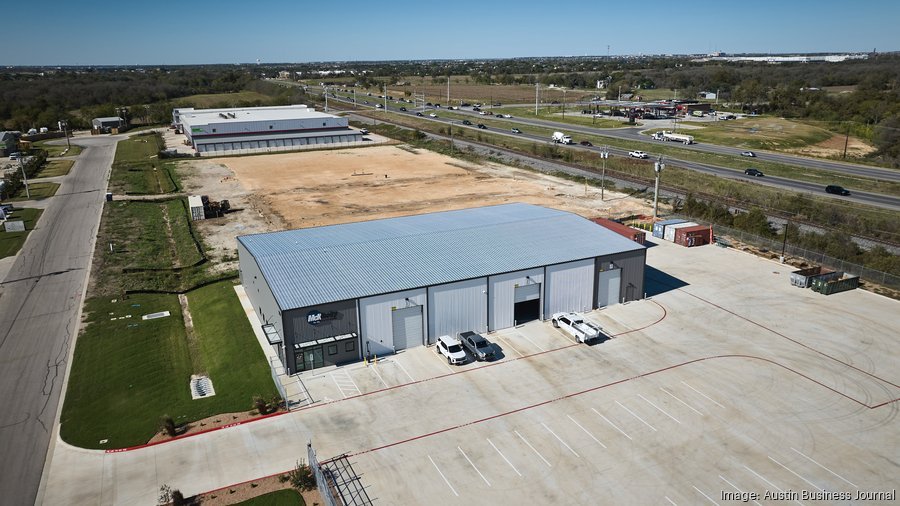
Houston's stormwater rules changed June 1, 2026. The TCEQ's industrial stormwater permit expires August 14, 2026. Austin is the most restrictive market in the Triangle for IOS development. Dallas and San Antonio each operate under different zoning frameworks with different entitlement timelines. For GCs and investment firms acquiring industrial land in Texas right now, municipal requirements aren't a back-end permitting detail — they're a front-end capital decision. S-Bar Construction works in all four Triangle markets and breaks down exactly what changed, what it costs if you miss it, and what to verify before you acquire.
Water Is the Hidden Constraint Nobody Is Talking to Texas Industrial Owners About
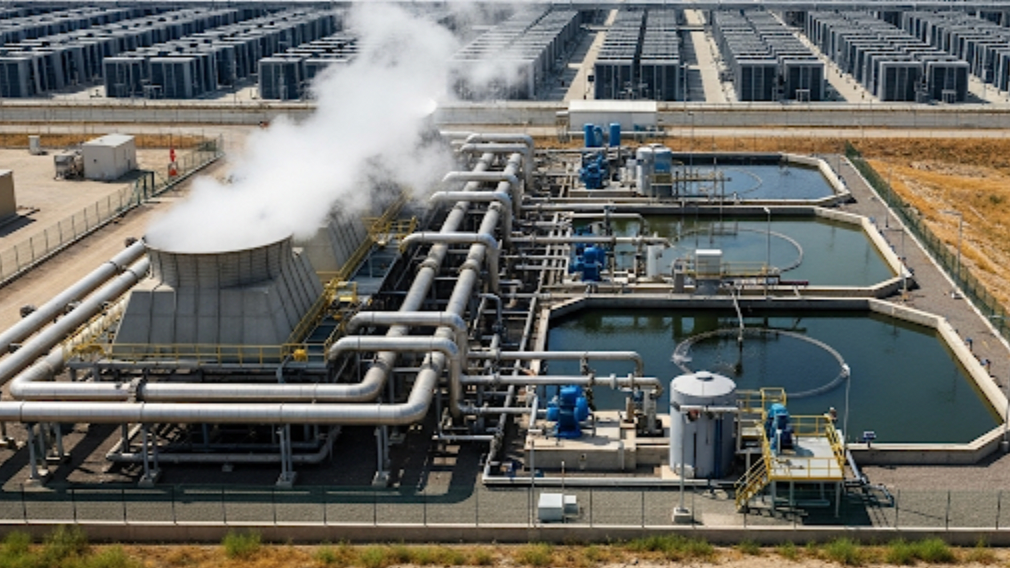
Everyone knows Texas has a grid problem. The water problem is bigger and arriving faster than most industrial owners realize. Texas data centers are projected to consume 399 billion gallons of water annually by 2030, straining the same municipal systems and aquifers that industrial facilities depend on. S-Bar Construction breaks down the real risk for industrial and IOS site owners — and what to do about it before it becomes a capital problem.
What Institutional IOS Operators Are Actually Spending Their CapEx On
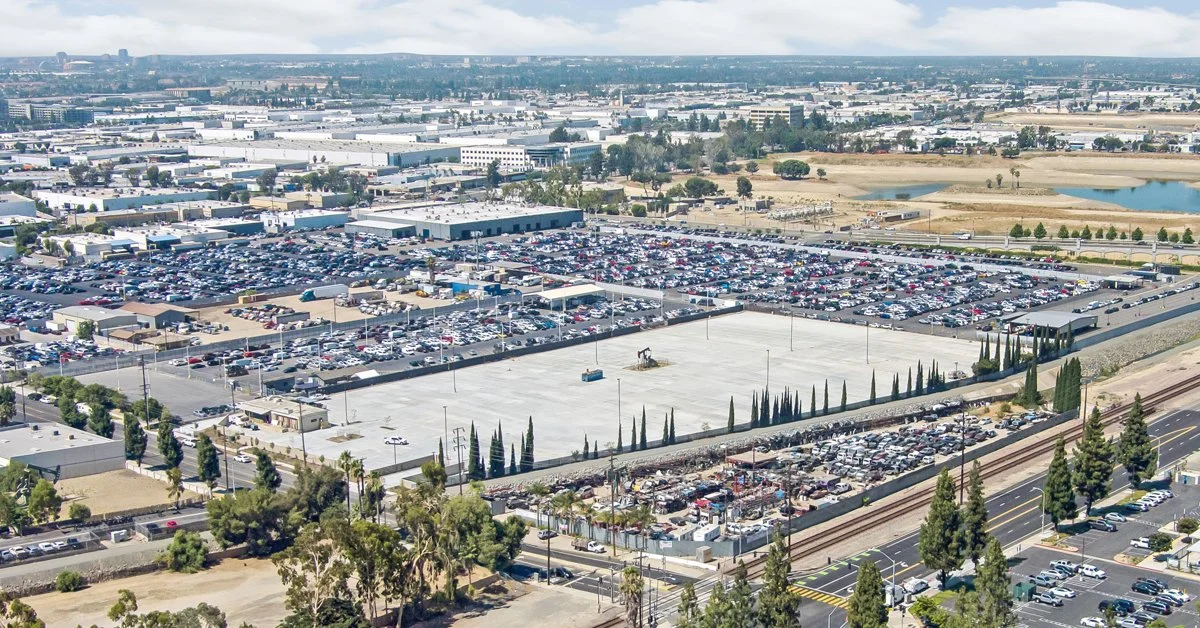
Blackstone, Brookfield, Jadian, Alterra, IOV — institutional capital poured $14 to $16 billion into IOS acquisitions in 2025. But every deal has the same problem on the other side: sites that need to be brought up to Class A standard before they perform at the yields that justified the investment. Full paving, engineered drainage, perimeter security, access control, lighting — the CapEx execution gap between acquisition and stabilization is where most IOS platforms are struggling right now. S-Bar Construction builds and improves IOS sites for institutional operators who need consistent execution across multiple markets. Here's what the CapEx actually covers — and what it takes to execute it without disrupting active tenants.
Gravel vs. Asphalt vs. Concrete: Choosing the Right Surface for Your Texas IOS Site
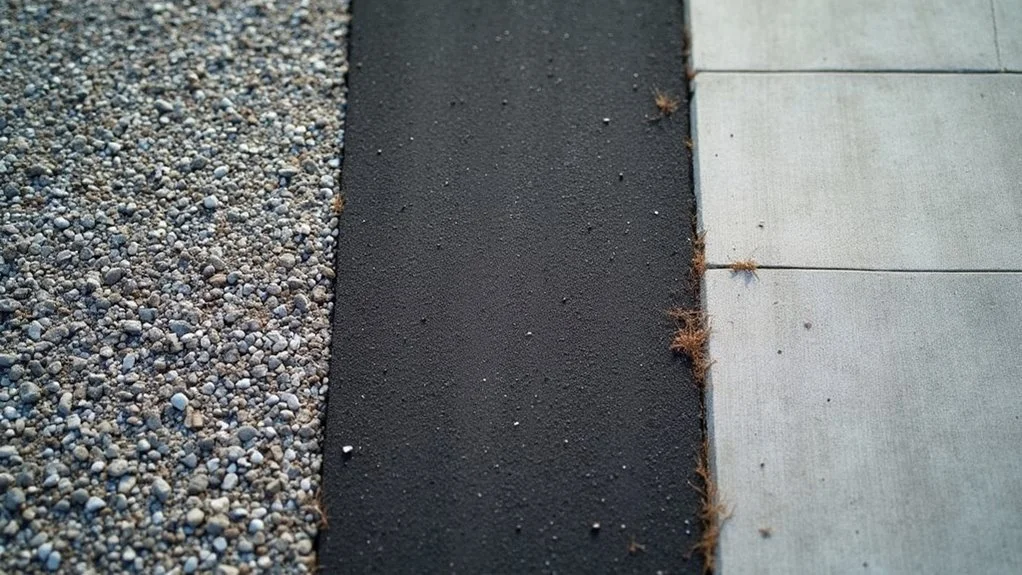
Gravel. Asphalt. Concrete. Every Texas IOS owner faces this decision — and most make it based on day-one cost without accounting for what Texas heat, clay soils, and heavy truck loads will do to that surface within 18 months. The right surface choice isn't just a construction decision. It's a capital decision that determines your tenant pool, your drainage compliance, and your upgrade path for the next decade. S-Bar Construction builds and maintains IOS surfaces across Texas — here's the straight breakdown of what each surface actually delivers in this market.

Why Texas Is the Only State Where Industrial Construction Is Actually Growing — And What That Means for Building Owners
While industrial construction starts have fallen 85 percent nationally for large-format facilities, Texas is one of the only states where industrial construction is actually growing in 2026. Dallas leads the nation in industrial transaction volume. Houston has nearly 22 million square feet under construction. But a booming market creates its own problem for building owners — every contractor in the state is chasing the same work, quality varies, and the owners who win are the ones who already have the right construction partner in place. Here's what the Texas industrial boom actually means if you own or operate buildings in this market.
EPDM vs. TPO in Texas — What Your Warehouse Roof Is Up Against
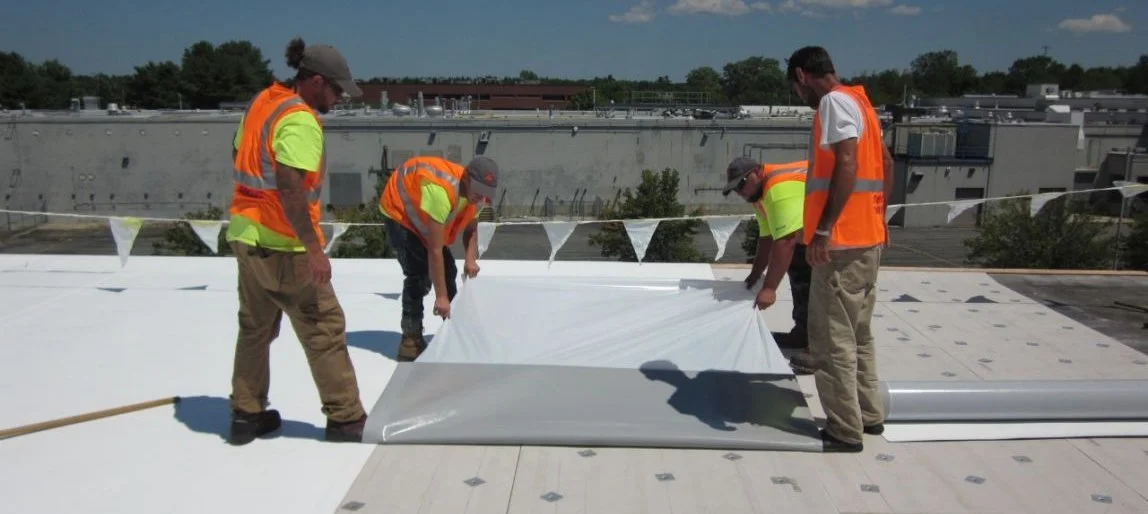
Texas doesn't just test your roof with heat. Humidity degrades your seams. Hurricane-force wind finds every weak point. Chemical exposure from nearby industrial corridors can cut a rubber membrane's lifespan in half. S-Bar Construction installs and maintains both EPDM and TPO on industrial buildings across Houston, Dallas-Fort Worth, and San Antonio — here's the straight comparison for Texas conditions.
The Preventive Maintenance Program Your IOS Site Actually Needs
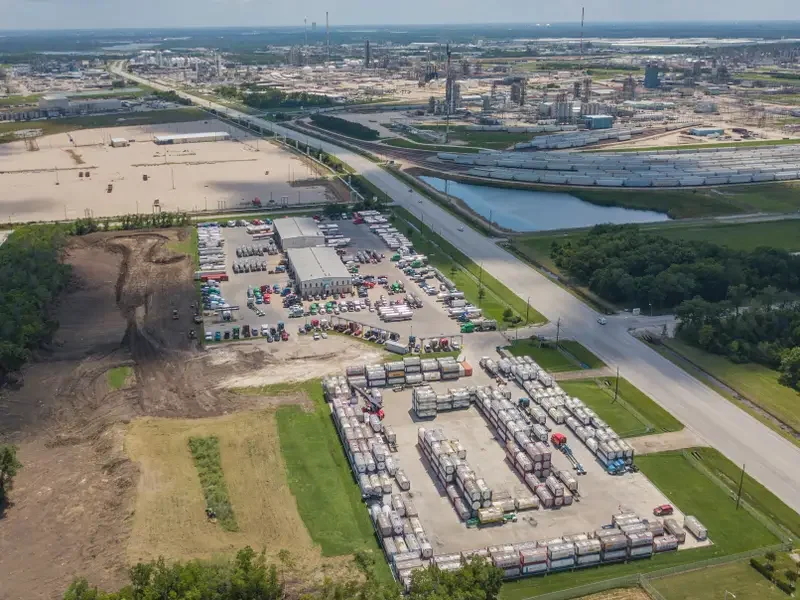
IOS rents are up 123 percent since 2020 with vacancy at 2.5 percent — but "low maintenance" doesn't mean "no maintenance." Gravel migrates, drainage clogs, fencing fails, and tenants leave when site condition slips. S-Bar Construction builds hands-on maintenance programs for IOS portfolio owners who treat outdoor storage as the serious asset class it is.
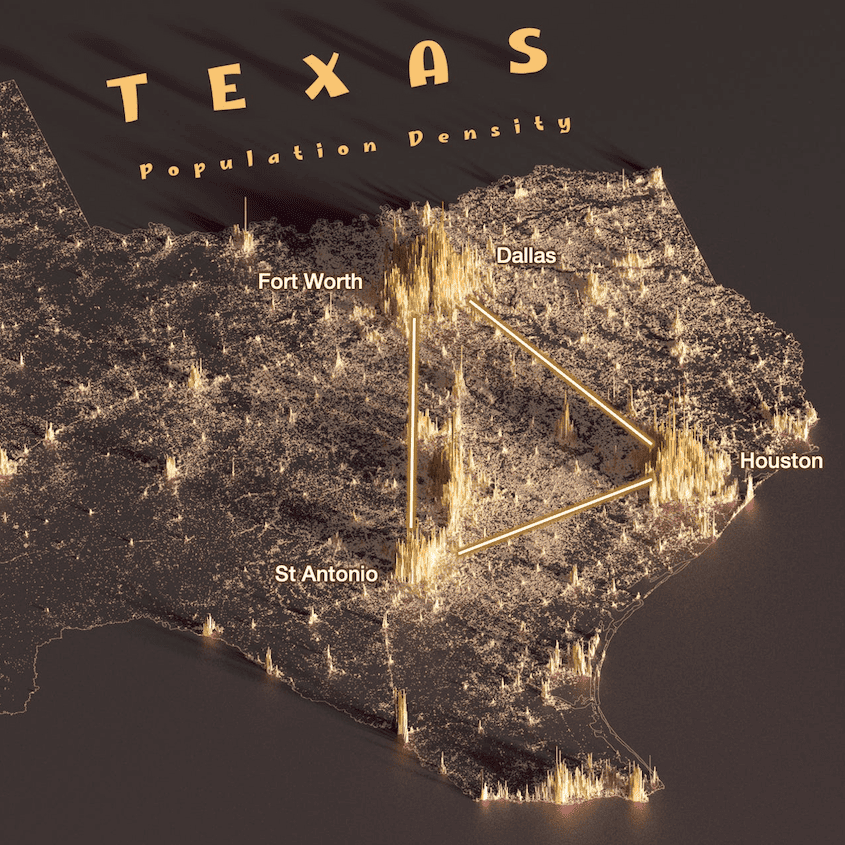
The Texas Triangle Is Adding 8.5 Million People. Someone Has to Build the Infrastructure
The Texas Triangle holds 22.5 million people and is heading to 31 million by 2040. That growth requires warehouses, freight terminals, IOS sites, and maintenance for thousands of existing buildings. S-Bar Construction is already in the Triangle — building, renovating, and maintaining the industrial infrastructure that makes it work.
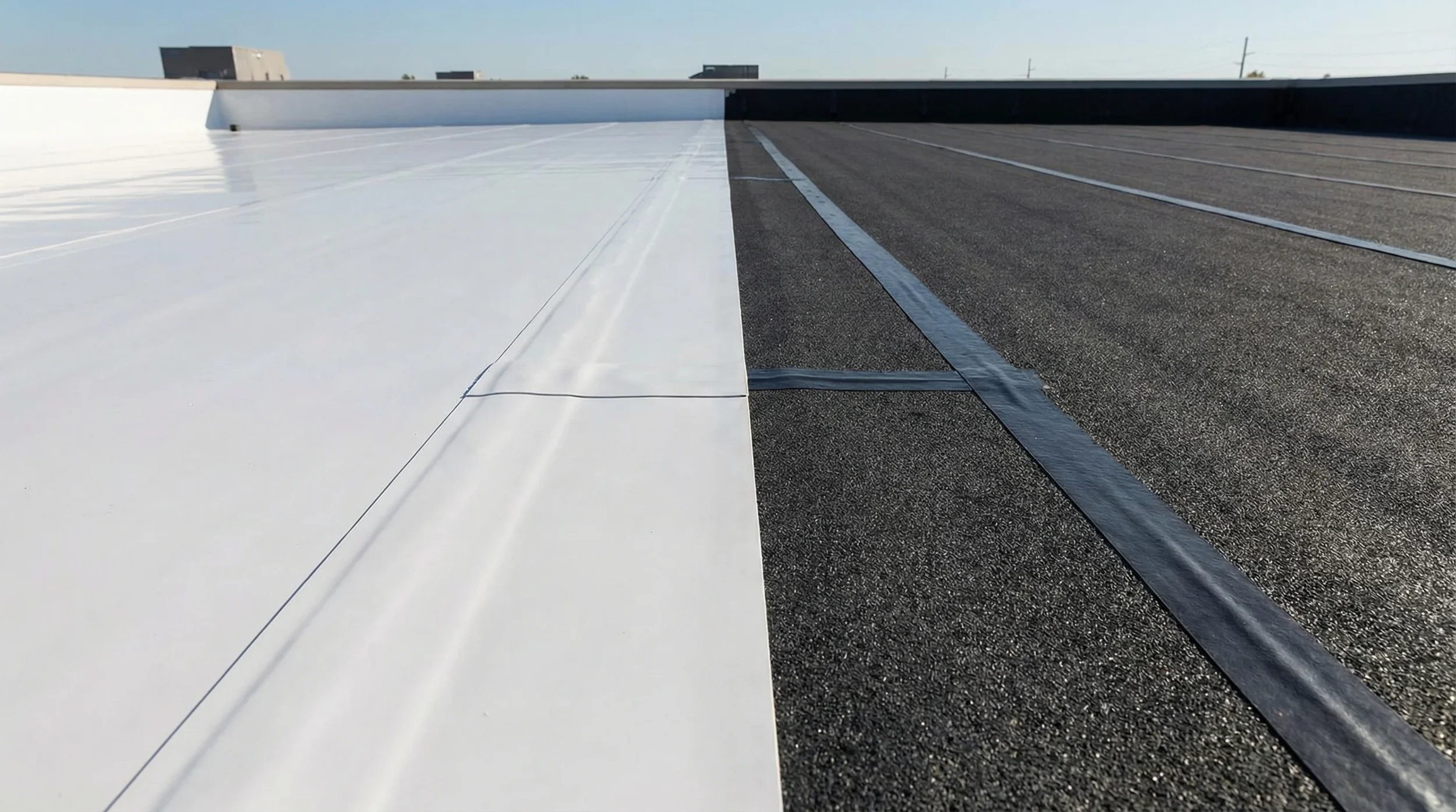
EPDM vs. TPO for Colorado Warehouses: What the Front Range Does to Your Roof
Colorado averages 94 hail events a year, with UV radiation 25 percent stronger than at sea level and daily temperature swings that push 50 degrees. The EPDM vs. TPO decision on a Front Range warehouse carries more consequence here than almost anywhere else. S-Bar Construction has installed and repaired both systems in this market.